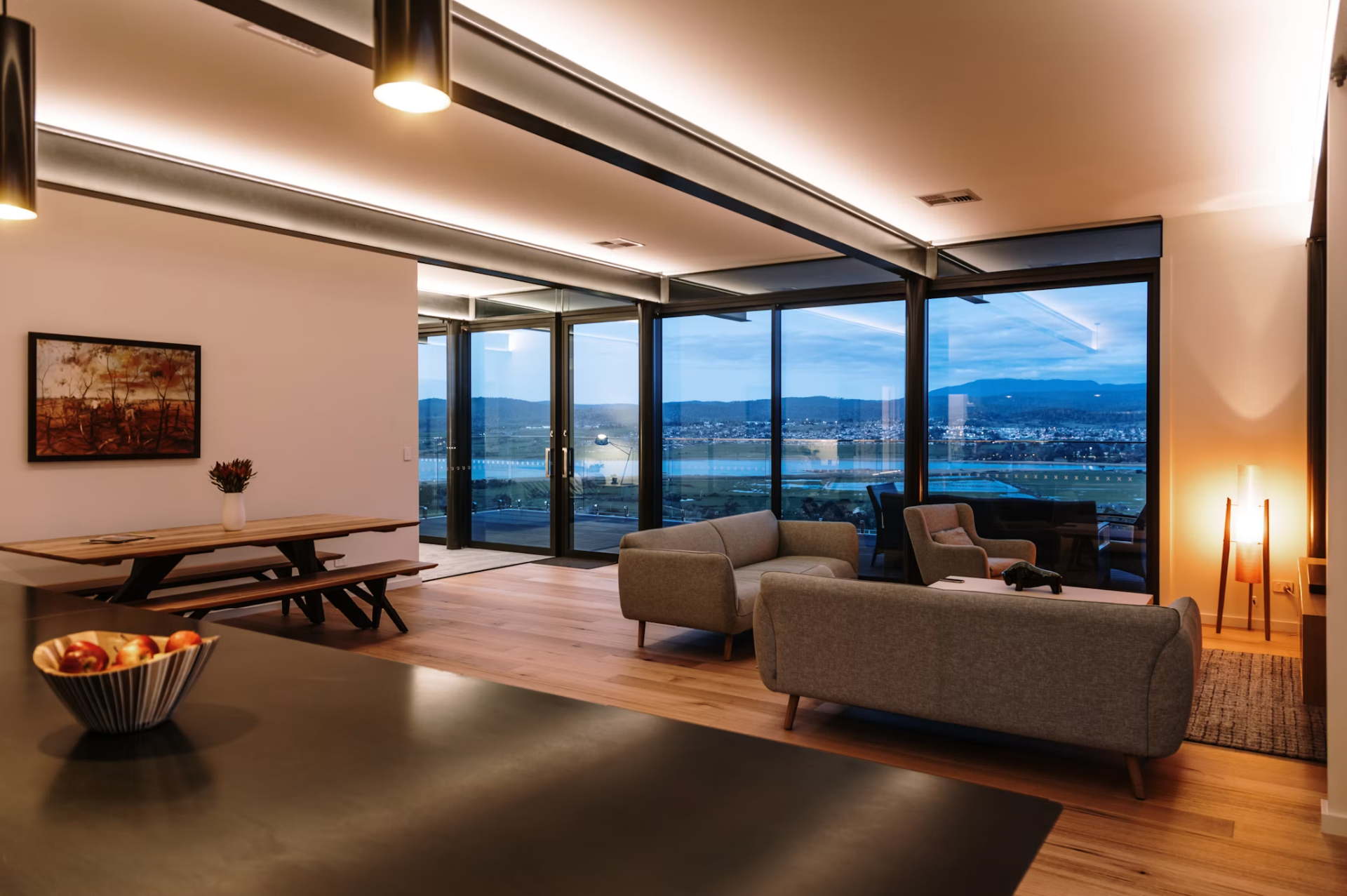

Smart Lighting and Motorized Shades in Frisco, TX


At Frisco Smart Home Haven, we design and install smart lighting systems, lighting controls, and motorized shades for homeowners in Frisco, TX. Our services include whole-home and room-specific lighting control, automated window shades, custom scenes, scheduling, keypad controls, app access, and integration with compatible smart-home platforms. Whether you want more convenient lighting, better control of privacy and natural light, or coordinated lighting and shade automation, we tailor the system to your home, routines and existing technology.


Our local installation team brings more than 20 years of experience in smart-home automation, audio/video systems, and lighting and shade integration, with credentials that include Savant Ambassador recognition and Lutron certifications. We manage the process from the initial consultation and room assessment through system design, installation, programming and homeowner training, creating a solution that is practical, intuitive and appropriate for you.

Get a Quote

Contact Us

Lighting Controls and Everyday Use

Good lighting control comes down to two things: physical devices that fit how a room is used, and software that automates the routine adjustments homeowners make throughout the day. We design both layers around the household's actual habits rather than a generic setup.

Dimmers, Keypads and Sensors

We select hardware based on room function, wall layout, and how each household prefers to interact with lighting.

Dimmers

Adjust brightness for a single fixture or zone, useful in dining rooms and living spaces where light levels change throughout the day.


Keypads

Consolidate multiple lighting zones into one wall-mounted control, reducing the need for separate switches.

Occupancy & daylight sensors

Turn lights on or off based on room activity or available natural light, which supports more consistent energy use.

Our team holds Lutron certifications, and we apply that training when matching dimmers, keypads and sensors to existing wiring and room layouts. We test each device during installation to confirm it responds correctly before completing homeowner training.

Lighting Scenes, Schedules and Everyday Control

Scenes group multiple lights into one preset, so a single tap can set brightness levels across a room for dinner, movie viewing, or morning routines. Schedules extend this by triggering scenes automatically at set times, without requiring manual input each day.


We program these settings based on how a household actually moves through its rooms, not a fixed template. Where relevant, we coordinate lighting scenes with motorized shades, so a "movie" setting can dim lights and lower shades together.


Our installation team's Savant Ambassador recognition informs how we structure these integrations across compatible systems. After programming, we test each scene and schedule, then walk homeowners through adjusting settings on their own.

Motorized Shades and Automated Window Treatments

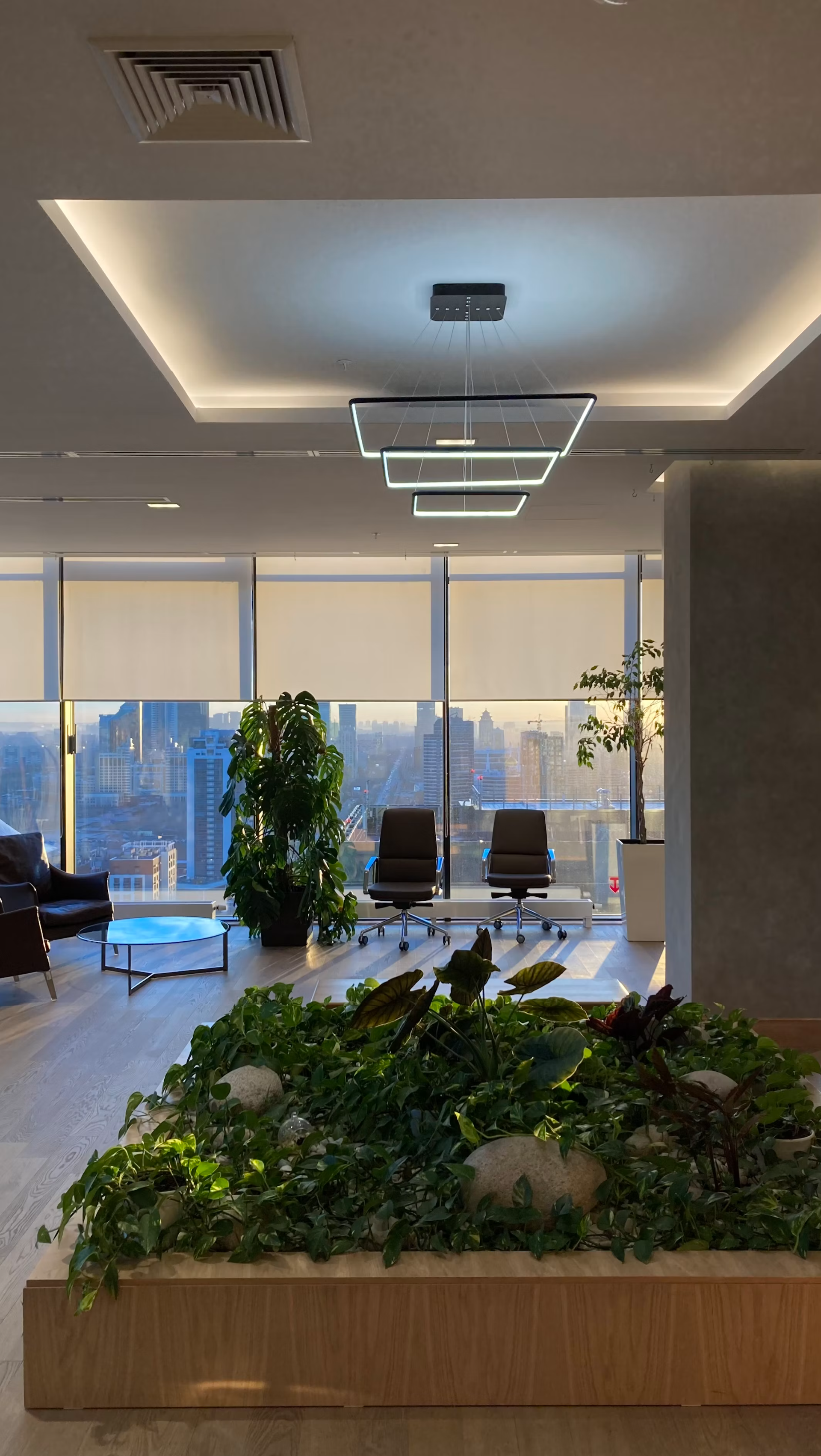
Motorized shades give us control over natural light, privacy, and glare throughout the day without manual cords or wands. We select fabric, opacity, and control options based on each room's function, sun exposure, and the household's daily routine.

Light-Filtering, Blackout and Privacy Options

We assess each window's orientation and purpose before recommending a fabric type. Bedrooms typically call for blackout shades to block outside light for sleep, while living rooms and kitchens often benefit from light-filtering fabrics that soften glare while keeping views intact.


Privacy shades sit between these two options, screening the interior from outside view during daytime hours without fully blocking light.


Some homeowners choose dual-shade systems, pairing a sheer or light-filtering shade with a blackout layer on the same track. This allows a single window to switch between different levels of light control depending on the time of day or activity in the room.


We review fabric samples on-site so homeowners can see how each option performs in their actual space before committing to a selection.

Shade Power and Control Options

Motorized shades run on either battery power or hardwired connections, and the right choice depends on the window's location and access to electrical wiring.

  • Ba
  • Battery-powered shades work well for retrofits and rooms without nearby wiring, since they avoid the need to open walls.
  • Hardwired shades suit new construction or renovations where wiring can be run during the build.

Control methods vary by household preference. Options include wall-mounted keypads, handheld remotes, smartphone apps, and voice commands through a connected smart home system.


We're an authorized Lutron dealer for Lutron motorized shades, and our team holds Savant Ambassador recognition and Lutron certifications, which inform how we integrate shades with existing lighting and automation systems in a home.


Our installers program each system to work with the household's existing lighting control setup, so shades and lighting scenes respond together rather than as separate systems.

How Smart Lighting and Motorized Shades Work Together

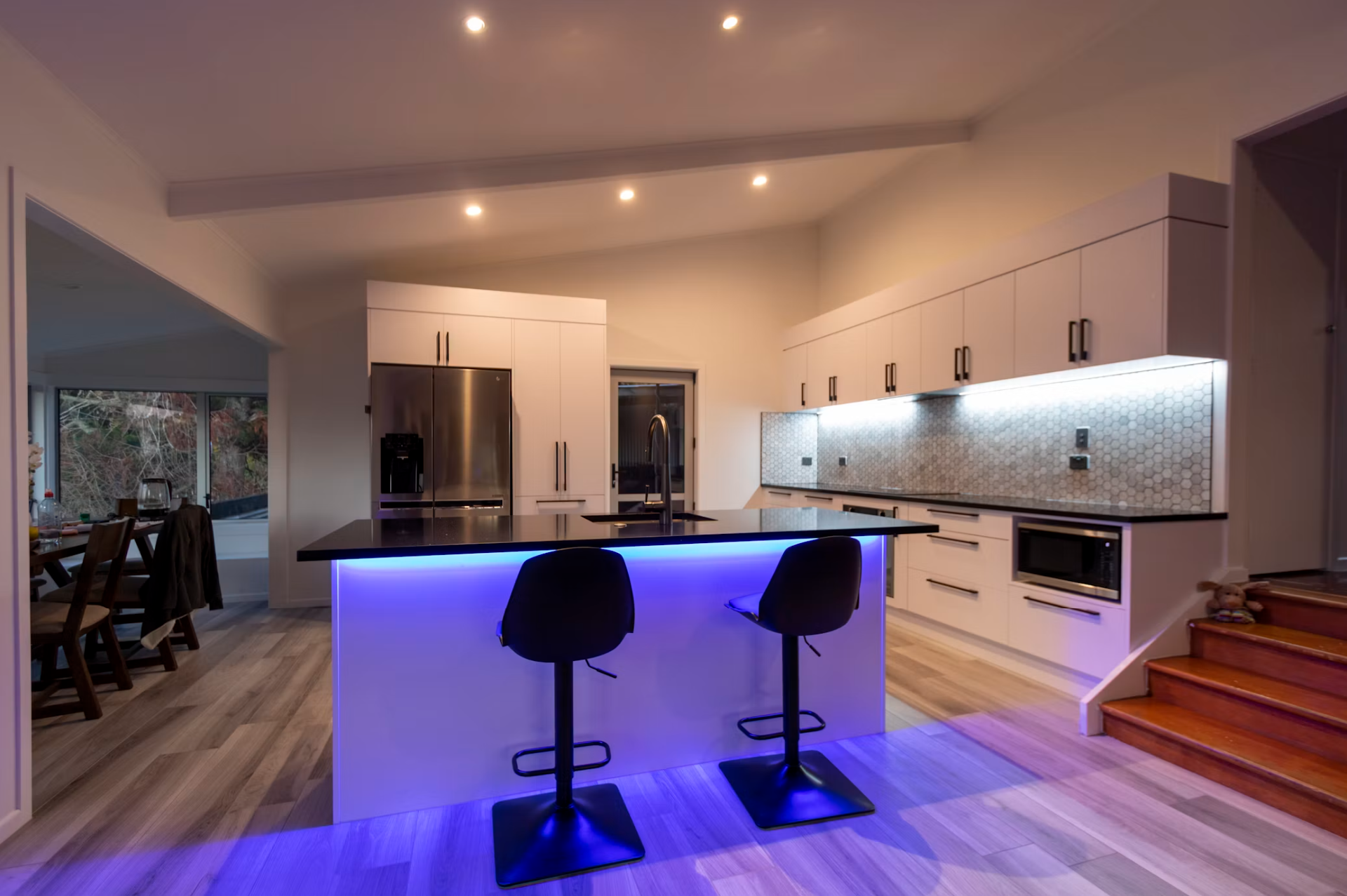
When lighting and shades are programmed as one system rather than two separate products, they respond to the same triggers and work toward the same result in every room. Our team designs these integrations around how each household actually uses its space, not around generic presets.
Planning the Right Lighting and Shade System

Before selecting products, we look at how each room is used, what controls the household prefers, and how the system needs to scale over time. The right plan also depends on what technology already exists in the home and how new components will fit into that framework.

One Room, Multiple Rooms or Whole-Home Control

We start by identifying the scope of the project. A single room, such as a media room or kitchen, may only need a few dimmers or a small shade motor. Larger projects covering multiple rooms or an entire home require a more coordinated approach to keep controls consistent from room to room.

We assess how residents move through the home and where lighting and shade adjustments happen most often. This helps us determine whether keypads, app-based controls, or voice commands make the most sense for each area.

For whole-home systems, we plan scenes and schedules that work across rooms rather than in isolation. Our team draws on more than 20 years of combined experience in smart-home automation and lighting integration to size these systems appropriately, whether the goal is basic control expansion or a fully integrated platform similar to what Lutron shade systems can offer when paired with smart lighting through Lutron Caseta and RadioRA platforms.
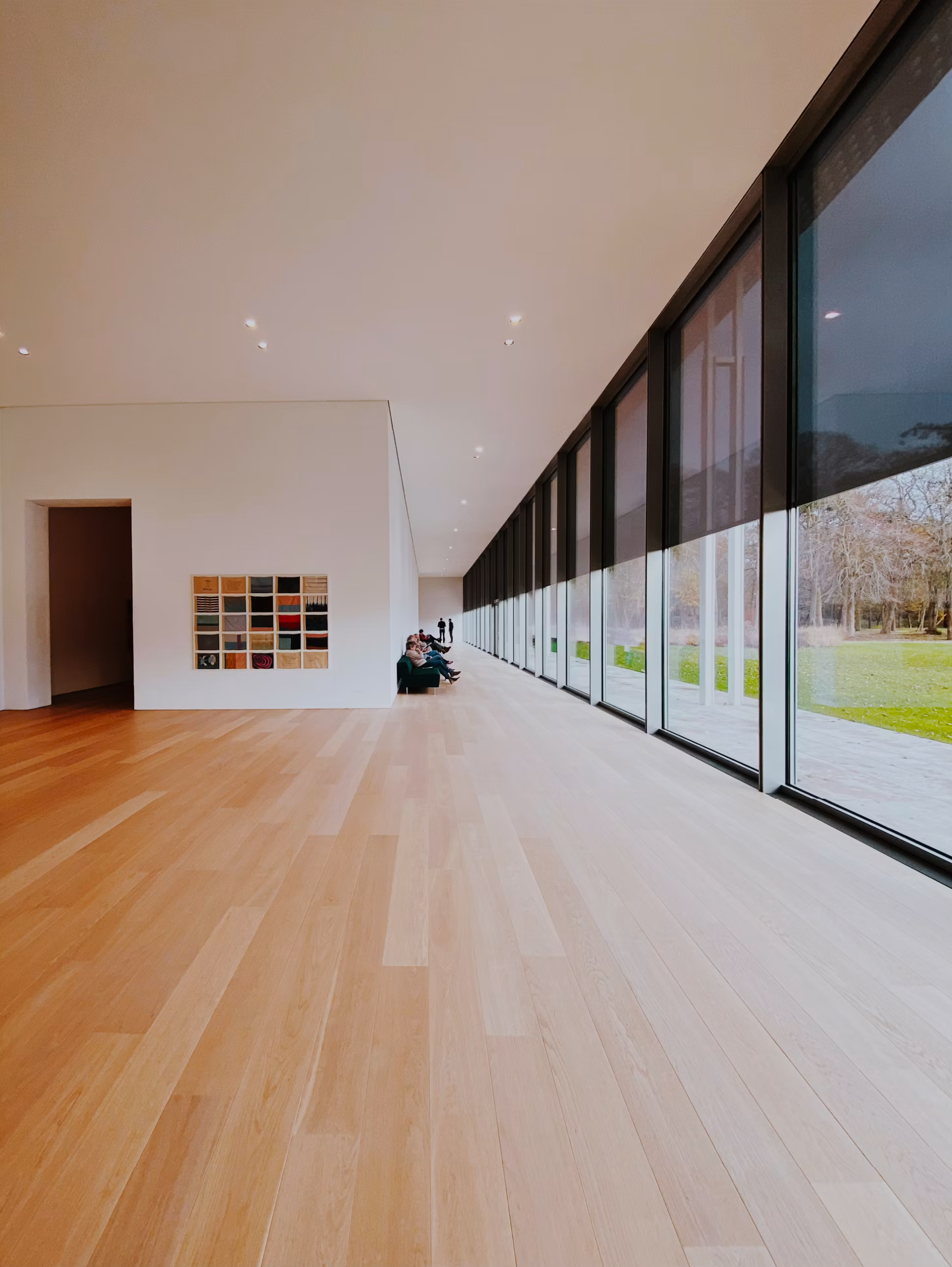
Existing Devices, Wiring, Codes and Platform Compatibility


Every home has some combination of existing wiring, switches, and possibly older automation equipment. We review these components early to determine what can be reused and what needs replacement.

Wiring type affects which lighting control and shade products will function correctly. Some homes have neutral wires available at every switch location, while others do not, which changes the compatible product options.

Local building codes also factor into planning, particularly for motorized shade installations near windows or in rooms with specific electrical requirements. We confirm code compliance during the assessment phase rather than after installation begins.

Platform compatibility is equally important. Our installers hold Lutron certifications and Savant Ambassador recognition, which supports accurate system design when integrating lighting and shades with other home technology. This matters when a homeowner wants shades and lighting to work from the same app or when motorized roller shades need to sync with an existing control system already in place.

Our Lighting and Shade Design & Installation Process

01

Consultation

 Discuss goals, control preferences, and design priorities

02

Assessment

Measure rooms and windows, review existing infrastructure

03

System Design

Plan layouts for lighting circuits and shade placement

04

Product selection

Choose equipment suited to your space and needs

05

Installation

Fit fixtures, wiring, and motorized shades with attention to clean, minimal visual impact

06

Programming

Configure scenes, schedules, and control interfaces

07

Testing

Confirm reliable operation across all components

08

Training

Walk you through daily use of apps, switches, and voice commands

Ongoing support – We offer this service to address adjustments or issues after installation


We focus on practical system design rather than unnecessary complexity. Controls are built to be intuitive for everyday use, whether through wall keypads, mobile apps, or voice assistants.


When appropriate, we integrate lighting and motorized shades with other home systems, such as climate or security controls, for more coordinated operation throughout your home.

Smart Lighting & Motorized Shade Cost & Pricing in Frisco, TX

Pricing for smart lighting and motorized shades depends on the scope of the project, the equipment selected, and how many rooms or windows are involved. We walk homeowners through realistic budget ranges so decisions about phasing, product tier, and system integration can be made with confidence.

What Affects Smart Lighting and Motorized Shade Cost?


Several factors shape the final price of a project. Window size and count matter directly, since larger or more numerous windows require more fabric, larger motors, and additional labor.


The control platform selected also plays a role. A Lutron RadioRA 3 or Control4 system costs more upfront than a basic app-controlled setup but offers deeper integration across a home.


Other cost drivers include:


  • Motor type — battery-powered versus hardwired
  • Fabric and finish — solar screen versus blackout or designer textiles
  • Number of circuits being converted to smart control
  • Existing wiring, which can reduce or add labor time
  • Integration needs with existing audio/video or security systems
  • 

We assess these variables during our initial consultation and compatibility review before recommending a system.

How Much Do Smart Lighting and Motorized Shades Cost?

Costs vary by product tier and household size. For smart lighting, a whole-home system for a standard luxury home typically ranges from $15,000 to $40,000, while smaller DIY-style installs can start under $3,000.


Motorized shades are typically priced per window, with cost depending on fabric, motor type, and mounting complexity. Multi-window rooms with wide spans or specialty fabrics land at the higher end of that range.


Project Scope and Approximate Range

Single-room lighting control $1,500 – $4,000

Whole-home lighting system $15,000 – $40,000


Per-window motorized shade Varies by size, fabric, motor


We provide itemized quotes after our room and window assessment so homeowners see exactly what drives their total.

Budget Planning: One Room, Phased or Whole-Home


We work with homeowners to structure budgets around three common approaches. A single-room project, such as a primary bedroom or living area, allows for a smaller initial investment while testing preferred control methods.


Phased installations let homeowners spread cost over time, starting with high-priority rooms and expanding as budget allows. We design each phase so it integrates cleanly with future additions, avoiding compatibility issues down the line.


Whole-home systems require the largest upfront commitment but typically offer better per-room value and more consistent programming across the house. During consultation, we review existing technology, household routines, and design priorities to recommend which approach fits best.

Additional and Frequently Overlooked Costs

Homeowners sometimes underestimate costs beyond the hardware itself. Professional installation labor, especially for hardwired motors or recessed lighting circuits, adds to the total and varies with window height, ceiling type, and electrical access.


Programming and system testing are also billable steps, since each shade and light needs to be calibrated for smooth operation. Homeowner training sessions ensure everyone in the household understands the controls, which we include as part of our process.


Other overlooked costs include:

  • Electrical upgrades for older homes
  • Custom valances or fabric upgrades
  • Bridging hardware for multi-brand integration
  • Ongoing support or maintenance visits

We outline these items clearly in our proposals so there are no surprises once installation begins.


Why Choose Frisco Smart Home Haven for Lighting and Shades

Our team brings more than 20 years of combined experience in smart-home automation, audio/video systems, and lighting and motorized-shade integration. This background shapes how we approach every project, from small single-room updates to whole-home lighting and shade systems.

20 Years of Experience

Our approach centers on practical design and intuitive controls. We aim for systems that are simple to use day to day, not just impressive during a demonstration.

Practical Design and Intuitive Controls

We build each recommendation around how a household actually uses its rooms. Before suggesting any equipment, we consider existing technology, preferred control methods, design priorities, and budget.

Recommendations Tailored to Your Household

We handle installation with care, keeping wiring organized and finishes clean. Testing follows every installation to confirm each component performs as expected before we consider a project complete.

Careful Installation and System Testing

We prioritize motorized roller shades that work well together rather than as separate, disconnected systems. When appropriate, we coordinate lighting and shades with other home systems for smoother daily operation.

Connected Lighting and Shade Integration

Our installation team holds Savant Ambassador recognition and Lutron certifications, reflecting focused training in these platforms.

Savant Recognition and Lutron Certifications

Schedule a Lighting & Shades Consultation


Reach out to our team directly. We will walk through your goals, assess your space, and outline options that match both your design preferences and your budget before any installation work begins.

(469) 646-6963

FAQs

Homeowners considering smart lighting and motorized shades typically have questions about system selection, control options, integration, and cost. We address the most common ones below based on our team's experience designing and installing these systems in Frisco homes.

  • What are the benefits of installing a smart lighting system in my home?

    A smart lighting system gives us the ability to set schedules, create scenes for different activities, and control fixtures from a single interface instead of multiple switches. This reduces energy use because lights only run when needed.


    We also design systems that let homeowners adjust lighting remotely, which adds a layer of security when a house is empty. Dimming and scene control can extend bulb life and reduce the harsh, uneven lighting that comes from standard switches.

  • Which lighting control system is best for a Frisco home?

    The right system depends on the size of the home, the number of circuits involved, and how the household wants to interact with lighting day to day. We often recommend Lutron Caseta and RadioRA for app, voice, and automated lighting control because these platforms scale well from single rooms to whole-home installations.


    For larger properties with more complex automation needs, a whole-home platform that ties lighting into climate and security may be a better fit. We review the existing electrical infrastructure and household routines before recommending a specific system.

  • Can I control my lights remotely using a smartphone or voice assistant?

    Yes. Most professionally installed lighting systems support smartphone apps and integrate with common voice assistants for hands-free control.


    We program these controls during installation so switches, apps, and voice commands all work together without conflicting settings. This means a household member can dim a room from a wall switch while another adjusts the same room from a phone, and both stay in sync.

  • What is the difference between Wi-Fi lighting controls and professionally installed smart lighting systems?

    Wi-Fi lighting products, such as smart bulbs or plug-in modules, connect directly to a home network and are typically installed by the homeowner. These work for basic tasks but can strain a Wi-Fi network as more devices are added, and they often lack centralized programming.


    Professionally installed systems use a dedicated control protocol, which keeps lighting traffic off the home Wi-Fi network and allows for more reliable scene control. 

    Our installation process includes a compatibility review, system design, programming, and testing, which is a level of setup that standalone Wi-Fi products don't include.

  • Can motorized shades be integrated with smart lighting and home automation?

    Motorized shades can be programmed to work alongside lighting scenes, so shades and lights adjust together based on time of day or activity. For example, a "movie" scene can lower shades and dim lights with a single command.


    We assess each window's size, mounting location, and existing treatments before recommending motorized shades, shutters, or drapery that fit the home's control ecosystem. This assessment is part of our standard room and window evaluation.

  • How much does professional smart lighting and motorized shade installation cost in Frisco, TX?

    Costs vary based on the number of rooms, the type of control system selected, and whether shades are motorized individually or as part of a larger automation package. A single-room lighting setup will cost less than a whole-home system with integrated shades and centralized programming.


    We provide a consultation and product selection process before giving a project quote, since pricing depends on the specific equipment and installation scope a household needs. This approach lets us match the budget to the household's priorities rather than applying a flat rate across every home.

Contact Us

Contact Us